

Building the Vivio System: Inside Our Partnership with Ventric Health
By the time the Vivio System reaches a patient, most people will never think about the amount of work that went into building it.
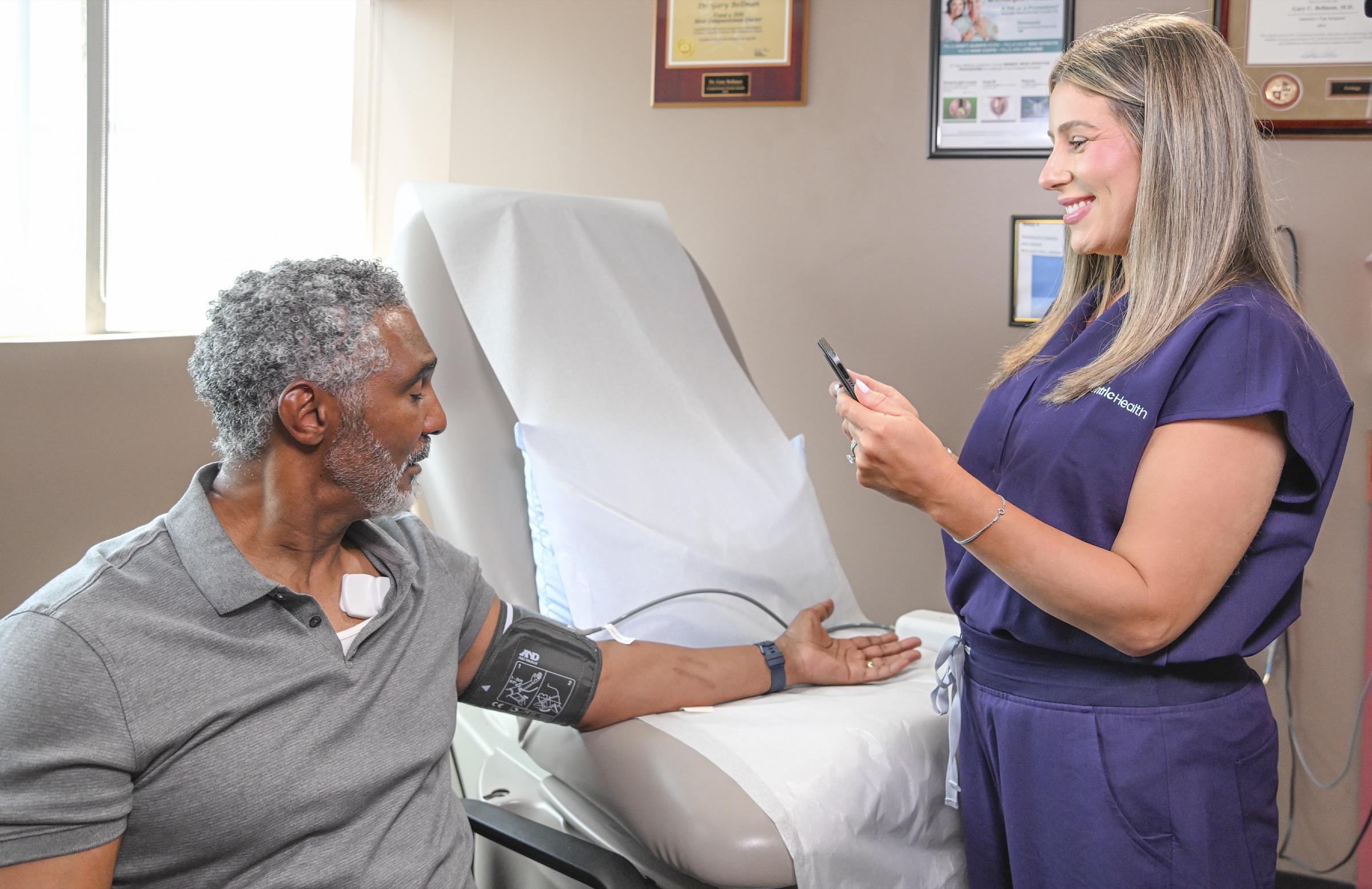
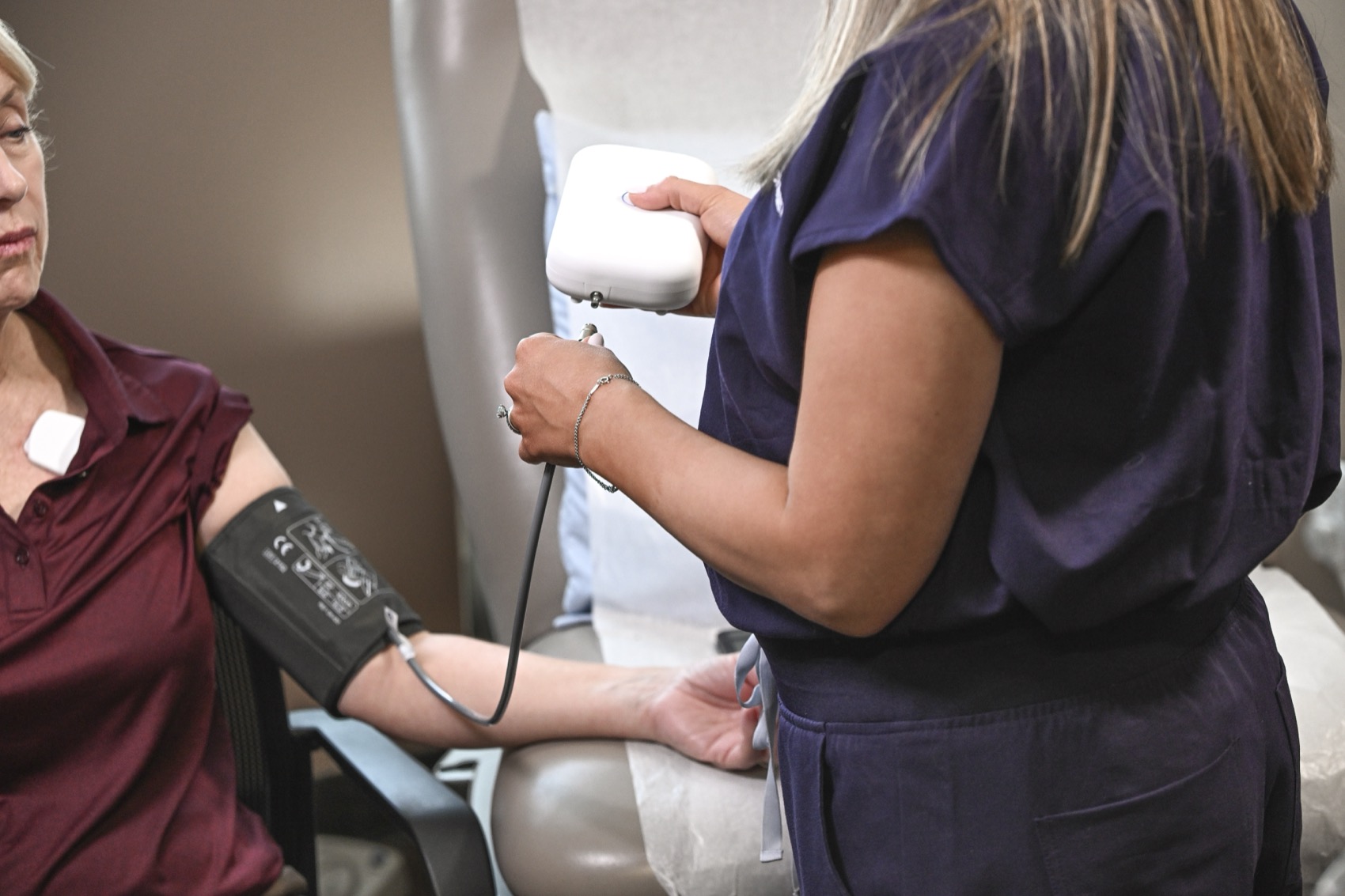
They see an arm cuff, a single-lead EKG patch, and a tablet. Together, they make up the first and only FDA-cleared device designed to non-invasively measure left ventricular end diastolic pressure (LVEDP), a key indicator in the assessment of heart failure.
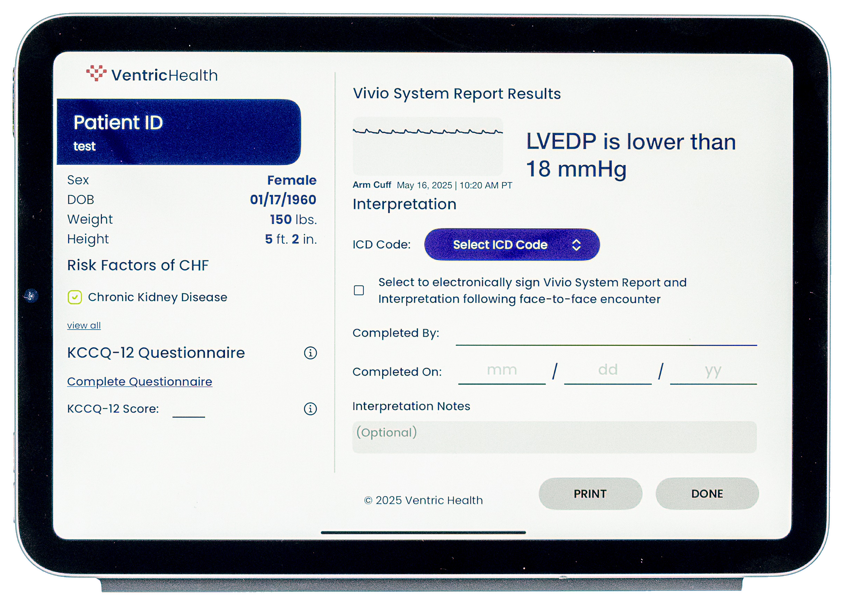
Developed from more than 15 years of research at Caltech, the Vivio System delivers results in less than five minutes, from a standard exam room, without the need for a catheter or specialist procedure.
Our job is to make sure every device lives up to that innovation.
See it in action
How the Vivio System works
A partnership, not just production
We have worked alongside the Ventric team since the early stages of manufacturing, helping move the Vivio System from development toward scalable production. It has never felt like a typical customer relationship. Every improvement is something we solve together.
“It’s one of those devices where there’s really no downside. It can only help. It’s identifying a life-threatening disease before a patient is ever symptomatic.”
Melissa Fontes, A&M BioMedical
That mission gives every build a greater sense of purpose.
Refining the build together
The manufacturing process has matured alongside the product. Assembly processes have been refined for greater consistency, custom fixtures have been introduced to improve repeatability, and packaging has evolved to deliver a complete system ready for clinical use. Quality verification is becoming faster and more objective as well, as new testing software comes online to confirm that every unit performs exactly as it should.
That verification step is worth a closer look. The arm cuff is a pneumatic system, built from many small pieces of tubing and connectors, so a precise, reliable seal is essential. Confirming that seal has long been one of the most demanding parts of the build. Traditionally, it has meant testing a unit, making small adjustments, and retesting until it meets spec. Exacting work that takes time. New leak-testing software from the Ventric team is changing that, measuring each unit against a clear pass-or-fail standard and making one of the most time-consuming steps faster, with the same standard applied to every unit.
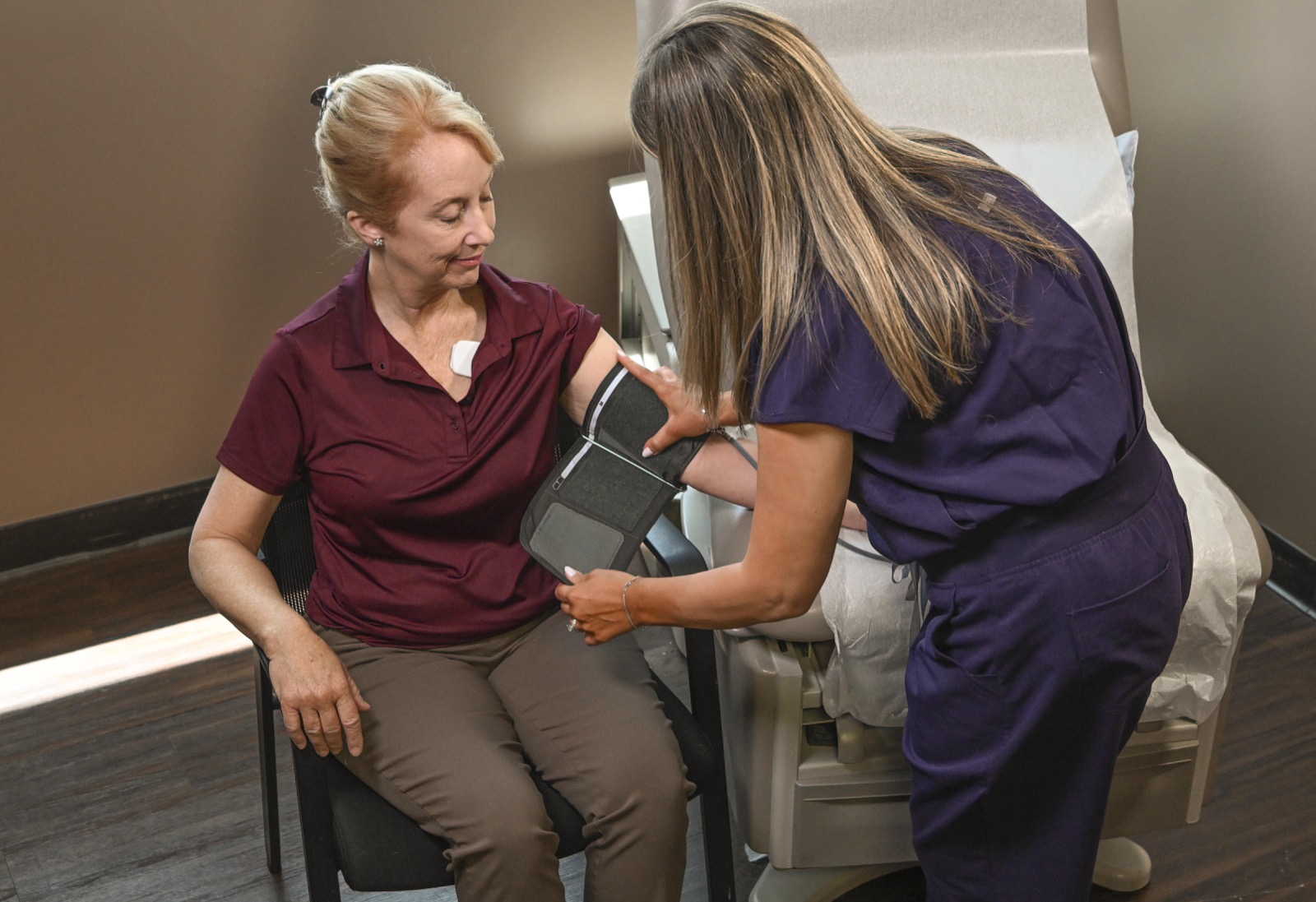
Improvements like these rarely arrive all at once. They accumulate through close observation, steady communication, and a shared commitment to getting every detail right.
Quality built in, not inspected in

Every device is assembled through the same documented process, so that each unit performs identically to the last, and each is fully traceable from start to finish. The serial number programmed into its board is matched to the one laser-etched on its housing and verified at each step, giving every unit a complete, verifiable record of how it was made.
The standard is exacting by design. A tube connector that sits even a millimeter short of fully seated can mean the difference between a reliable seal and a leak. A catch like that does not end with a rejected part. It goes straight back to the Ventric team, where it can sharpen the design, the components, or the process itself. Over time, those observations have become part of how the Vivio System keeps improving, each one helping make the next build a little better.
Built to scale
“As we bring the Vivio System to more clinics, consistency is everything. A&M has given us a manufacturing foundation we can scale on with confidence, without ever compromising on quality.”
Tony Viole, Vice President of Operations, Ventric Health
The Vivio System is now progressing from clinical sites toward broader adoption, and the manufacturing scales alongside it. This is the principle behind the work: a clinical result is only as reliable as the device that produces it, and that device is only as reliable as the manufacturing behind it. That is the responsibility we carry with every unit, and it is why a clinician can trust the reading on the screen long before the device ever reaches the exam room.