

Quality is our product.
Every medical device company reaches a fork in the road. Once a design is proven, someone has to build it, at volume, to specification. That means a decision must be made: invest in the build out of your own manufacturing facility, or partner with a contract manufacturer and outsource it.
There is no universal right answer. The best choice depends on the device, the volume, the stage of the company, and how much capital and risk it makes sense to carry. This is a comparison of both paths, from a medical device contract manufacturer that has watched companies succeed with each.
What building in-house actually requires
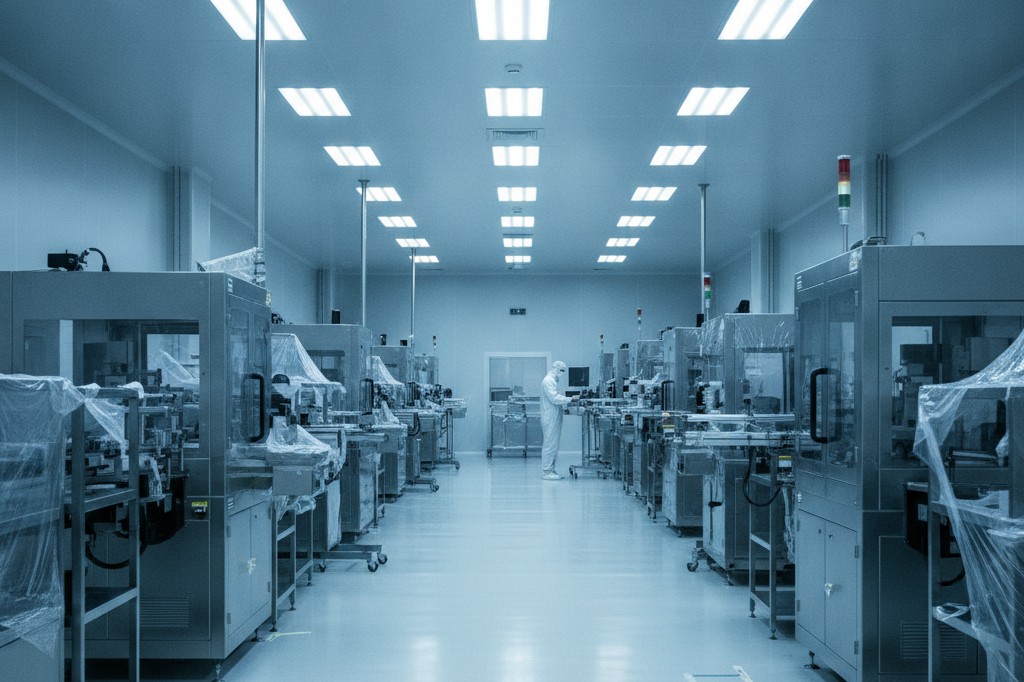
Manufacturing your own medical devices means owning the whole operation from approving suppliers and procuring materials, to setting up necessary production space, to equipping the line. It means a qualified facility, often including a cleanroom, production and inspection equipment, validated processes, an ISO 13485 quality management system, and a trained, certified workforce to run all of it.
It also means maintaining that infrastructure indefinitely. Certifications have to be kept current. Equipment has to be calibrated and maintained. Processes have to be revalidated when they change. None of this is a reason to avoid building in-house, but it is the true scope of the commitment, and it is easy to underestimate from the outside.
What outsourcing gives you
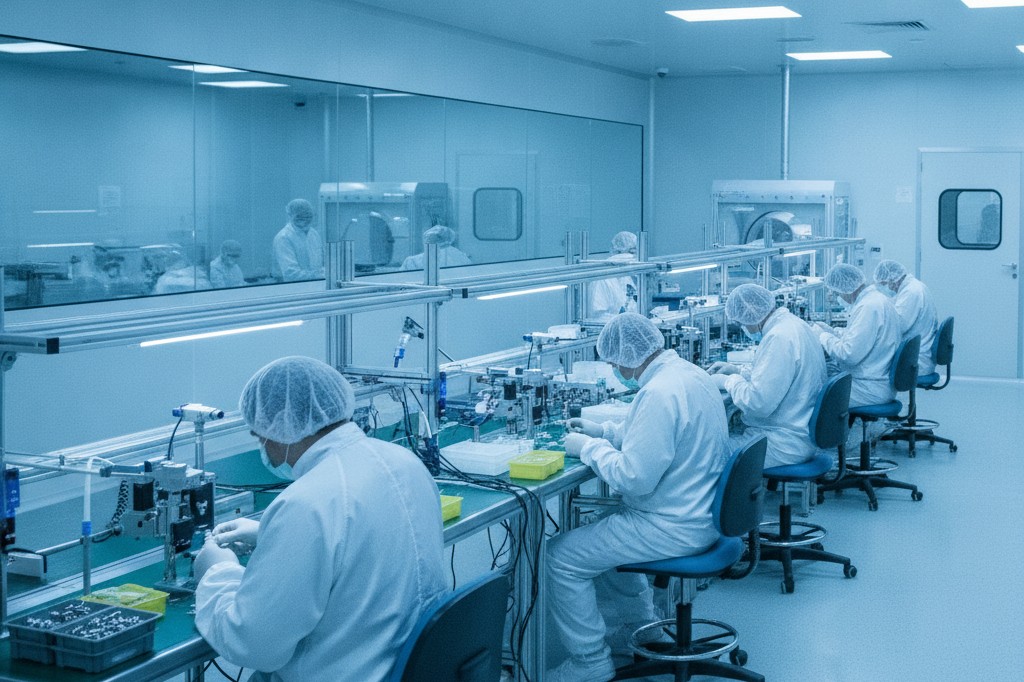
Outsourcing to a contract medical device manufacturer means inheriting that infrastructure instead of building it. A capable partner already operates a certified quality system, a qualified cleanroom, validated processes, an established supply chain, and a workforce trained to run regulated production. Instead of spending a year or more standing those up, you invest your energy in refining the quality requirements and controls to ensure successful design transfer and manufacturability. For many companies, this is what medical device production outsourcing is really about: access to a working operation, not just a lower unit price.
The tradeoff is that you are running your production through someone else’s operation, which is why the choice of partner matters as much as the choice to outsource at all.
In-house vs. outsourced: the head-to-head
The decision usually comes down to a handful of factors. Here is how the two paths compare on each.
- Upfront capital. In-house requires significant investment before the first unit ships: facility, cleanroom, equipment, and validation. Outsourcing carries little to no capital build; you pay for production, not for the plant.
- Time to market. Building and validating your own line can take many months to years. An established contract manufacturer can begin far sooner, because the facility, processes, and quality system already exist.
- Quality system and compliance. In-house means building and maintaining your own ISO 13485 system, controlled documentation, and readiness for regulatory reviews. Outsourcing lets you rely on a partner whose quality system is already certified and running.
- Capacity and scalability. In-house capacity is fixed by what you built; growing it usually means more capital. A contract manufacturer can scale a validated process by adding certified operators and shifts, so output grows with demand rather than with a construction budget. That scalable medical manufacturing is one of the clearest advantages of an outsourced model.
- Control and intellectual property. In-house keeps everything under one roof and under your direct control. Outsourcing means sharing your process with a partner, so a good contract manufacturer builds strictly to your specification, protects your intellectual property, and never competes with your product.
- Workforce and expertise. In-house means recruiting, training, certifying, and retaining a specialized production workforce. Outsourcing gives you access to one that already exists, along with the manufacturing experience that comes with it.
- Risk. In-house means carrying all of the operational, regulatory, and demand risk yourself. Outsourcing shares that risk; a strong partner absorbs volume swings and carries much of the compliance load with you.
When building in-house makes sense
For some companies, in-house is the right call. It tends to make sense when a device is a high, steady-volume flagship product; when manufacturing is a core competency the company wants to own outright; when total, direct control over the process is a strategic priority; and when there is capital to fund the build and the patience to absorb the timeline. A large manufacturer producing millions of units of a mature product often belongs in this category.
When outsourcing makes sense
Outsourcing tends to make sense for startups and emerging companies that need to reach the market without building a plant first; for products with variable or growing volume, where flexible capacity matters; when speed to market is a competitive advantage; when a company would rather not tie up capital in a facility; and when the team wants to stay focused on design, clinical work, and commercialization while a partner runs production. For many of these companies, an outsourced medical manufacturing partner is what makes the business model work at all.
The costs each side underestimates
Both paths have costs that are easy to miss.
In-house, the surprises are usually the ongoing ones: validation and revalidation, maintaining certifications, equipment downtime, workforce turnover, and the regulatory overhead of running a compliant operation year after year. The build is visible; the upkeep is not.
Outsourced, the mistake is usually choosing on price alone. The cheapest quote can carry the highest total cost if it comes with weak communication, thin documentation, or a partner who cannot scale with you. A partner who hides problems is more expensive than one who flags them early, no matter the unit price.
What to look for in a manufacturing partner
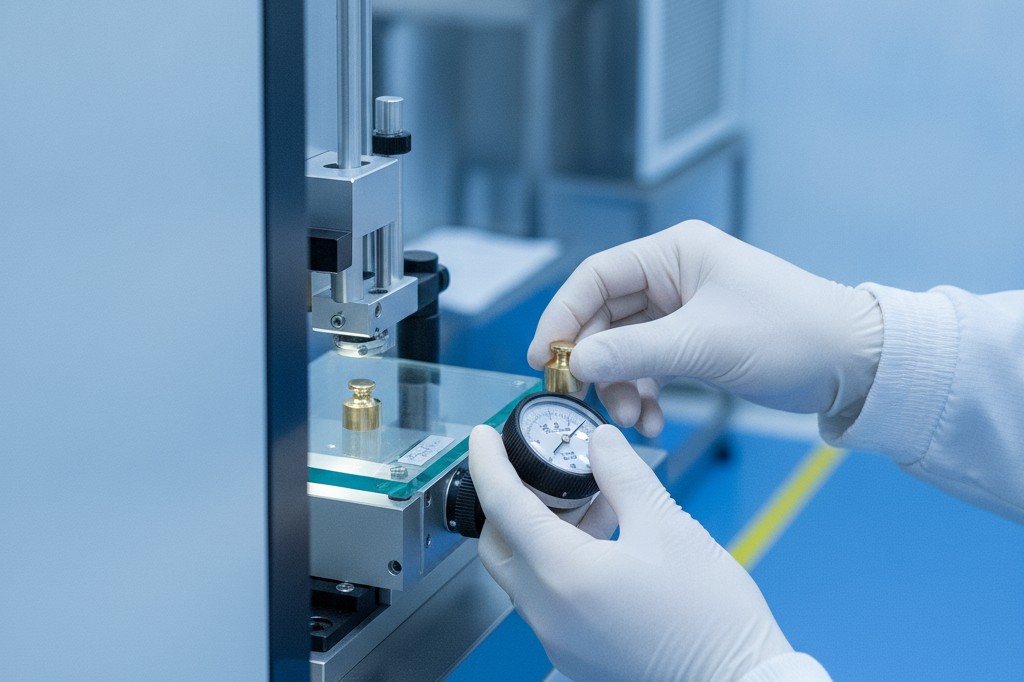
If outsourcing is the direction, a few things separate a real medical device manufacturing partner from a vendor: ISO 13485 certification, cleanroom capability suited to your device, quality documentation that holds up under a compliance review, and open communication. The best sign is a manufacturer that surfaces a problem the moment it appears and brings you in to solve it, rather than quietly working around it.
A simple way to decide
A few honest questions usually place a company on the right side of the decision:
- How much capital can you commit before the first unit ships?
- How soon do you need to be in the market?
- Is manufacturing a competency you want to own, or a capability you want to access?
- How much will your volume change over the next few years?
- Do you have the quality system and regulatory expertise to run compliant production in-house today?
If the answers point toward heavy capital, total control, and steady high volume, in-house may fit. If they point toward speed, flexibility, and focus, a contract manufacturer is usually the stronger path.
Where A&M BioMedical fits
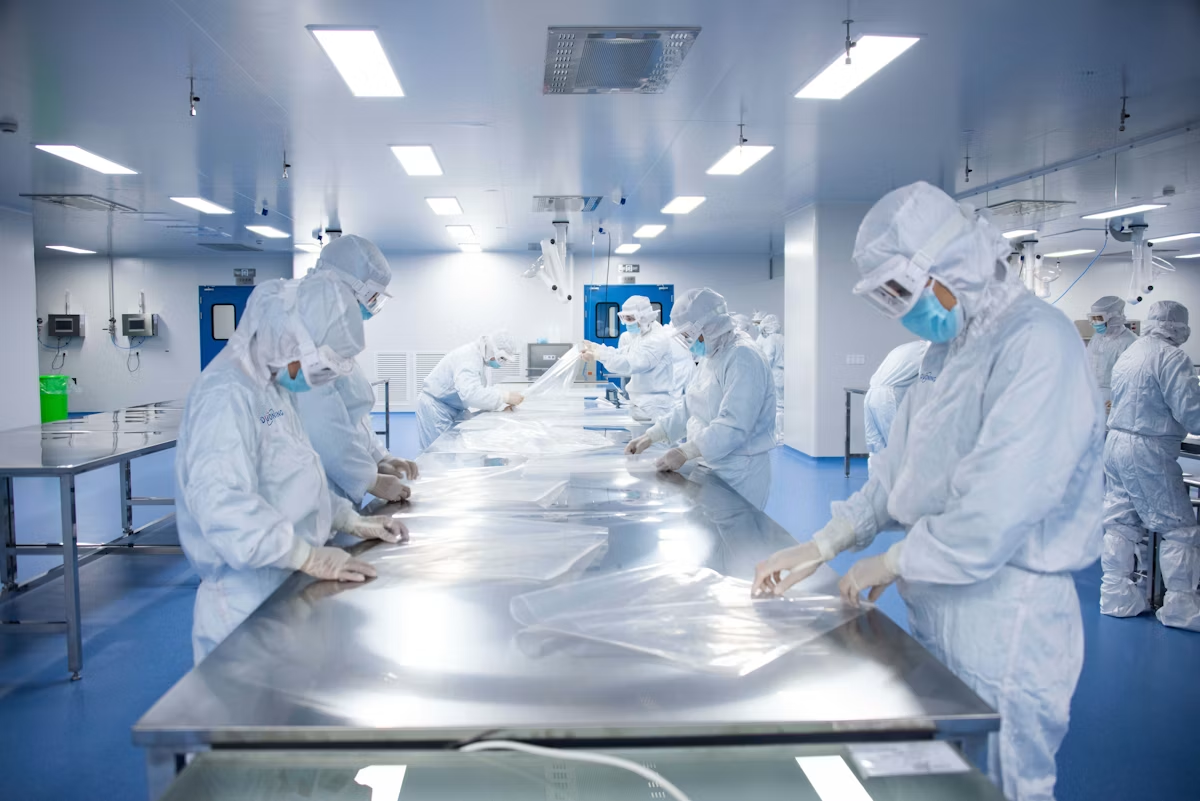
A&M BioMedical is the outsourced option done the way it should be. As a pure contract manufacturer, we build our customers’ devices to their specification and standards; we do not design or sell our own products, so we never compete with the companies we serve. We have held ISO 13485 certification since 2009, provide Class 7 cleanroom manufacturing, and bring more than 30 years of manufacturing experience to every program. From medical device assembly and packaging to labeling, inspection, and fulfillment, we run the work under one quality system and one roof, with sterilization coordinated through validated partners. It is full service medical device contract manufacturing built around the customer’s requirements.
The deciding factor is quality
In-house or outsourced, the real question is not which path is cheaper or faster. It is which one delivers consistent quality for the person at the end of the chain. A device company owes its customers, and ultimately the patient, a product that performs the same way every time. Whichever path makes that easiest to guarantee is the right one.
Frequently Asked Questions
Is outsourcing cheaper than building in-house?
Often, yes. Especially early on, because outsourcing avoids the capital cost of a facility, equipment, and validation. But the honest answer is that the cheapest option is not always the least expensive over time. Total cost depends on volume, quality, and how well the partnership is run.
Can we start with a contract manufacturer and bring production in-house later?
Yes. Many companies outsource to reach the market quickly, then reassess as volume grows. A well-documented, validated process makes that transition far smoother if it ever happens.
Do we lose control of our device if we outsource?
Not with the right partner. A contract manufacturer builds to your specification, keeps your intellectual property protected, and gives you visibility into the process. Control comes from documentation and communication, not only from owning the building.

Schedule a consultation
One partner for assembly, packaging, and fulfillment
A&M BioMedical is an ISO 13485-certified contract medical device manufacturer based in Laguna Hills, California. With over 30 years of manufacturing experience, we provide turnkey contract manufacturing services including medical device assembly, packaging, labeling, sterilization coordination, and supply chain management.