
Quality is our product.
We take our customers’ finished, qualified design and set up quality-controlled processes from device assembly to shipping: receiving inspection, inventory management, cleanroom and electro-mechanical assembly, packaging and sterile barrier sealing, labeling, sterilization coordination, and fulfillment — all under one ISO 13485 quality system. Here’s what each step involves, and why keeping them under one roof matters.
Receiving Inspection
Quality starts before the first manufacturing step. Every component and raw material that enters our Laguna Hills facility is logged and inspected before it reaches the line. Receiving inspection is the first quality gate in our ISO 13485 system: incoming lots are verified against specification, documented, and accepted or quarantined under controlled procedures.
Catching a non-conforming material at receiving protects yield, schedule, and most importantly, patient safety downstream — and it is where medical device supply chain management and distribution really begins.
Inventory Management
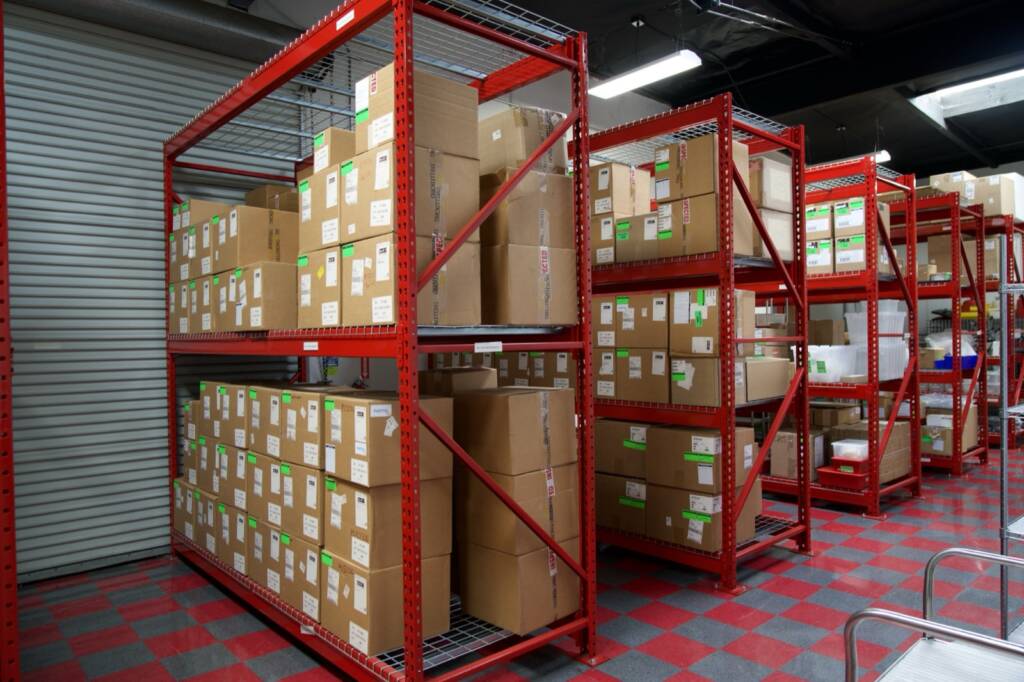
Good inventory management is the quiet engine behind on-time delivery. We manage raw materials, components, and finished goods under a single documentation trail, with lot-level control from receipt through release. Stock is positioned to match your demand, so builds start on time and finished units are ready to ship.
Medical Device Assembly
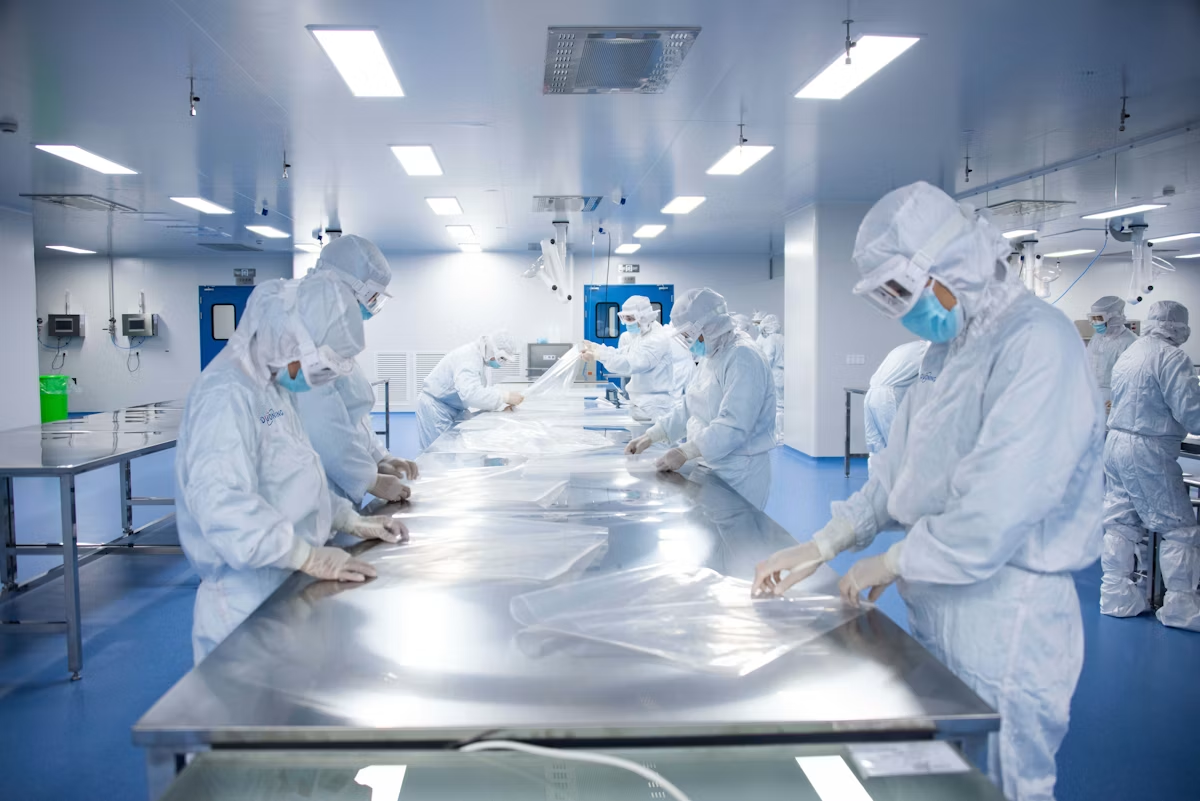
As a contract manufacturer, A&M BioMedical builds to your specification — we don’t design devices or sell our own. Our medical device assembly includes cleanroom and non-cleanroom environments, and a capable medical device assembly process pairs the right build environment with disciplined inspection at every step.
Cleanroom and Electro-Mechanical Assembly
Our medical device assembly covers the range most programs need:
- Class 7 cleanroom assembly — for sterile and contamination-sensitive devices.
- Electro-mechanical assembly — for devices that combine electronics and mechanical components, built outside the cleanroom with ESD controls.
- Lean manual and precision assembly — for complex, lower-volume devices that depend on skilled hands and close in-process inspection.
- Large-build and high-volume production — capacity to scale a proven process up to 150,000+ units a month while holding the same inspection discipline.
- Receiving and in-process inspection — components checked before they're released into inventory, and again at each critical step of the build.
What to Look for in Medical Device Assembly Companies
The medical device assembly companies worth working with don’t just build your devices. They inspect what comes in, document every process they perform, and they communicate. They notify the customer early when a component comes in nonconforming. They pause production and contact the customer when something on the line isn’t to spec. They bring the customer in whenever there is an issue with their product.
A quality medical device assembly company does not hide from quality problems—they anticipate them, flag them, and communicate them. Then they work with the customer to identify and implement a solution—before the product leaves the facility. That’s the difference between a vendor and a partner.
Medical Device Packaging
Sterile Barrier Packaging and Package Testing
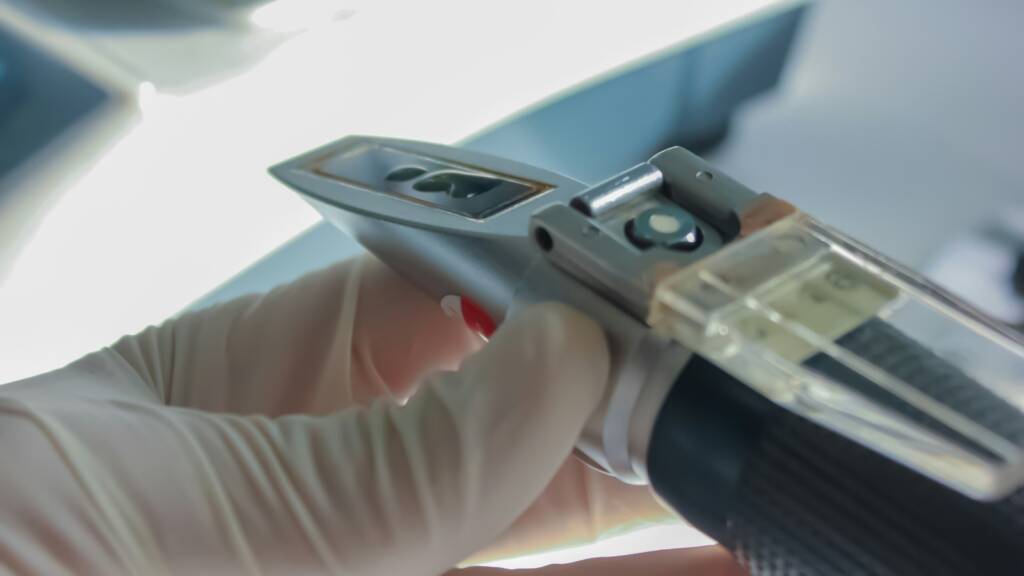
For terminally sterilized products, medical device packaging centers on the sterile barrier system — the package that keeps microorganisms out and lets the device be presented aseptically at the point of use. The material matters (a Tyvek lid over a formed tray, a foil or chevron peel pouch), but what earns trust is the seal and how it is verified.
Medical Device Labeling
For medical device assembly companies, labeling is a critical process. A wrong or missing label can trigger a complaint or a recall. It requires multiple verifications, at various steps in the process, by both production and QC.
Meeting FDA Medical Device Labeling Requirements
Authoring labels, IFUs, and UDI submissions is the device owner’s regulatory responsibility; A&M’s role is execution — we print, control, and apply your customer-specified labeling per drawing and verify it under our quality system. The framework behind medical device labeling requirements in the US includes:
- 21 CFR Part 801 — the FDA medical device labeling requirements for what a label must contain.
- 21 CFR Part 830 — Unique Device Identification (UDI), which makes each device traceable.
- ISO 15223-1 — the standardized symbols (sterile, single-use, expiration) that appear on device labels.
Medical device labels need to effectively identify, educate, and caution the end users about the purpose, use, and safety of the prescribed product. A misprint or mislabeling can lead to a physician’s inability to use the device in a procedure or worse, harm to the patient. This is why medical device labels have their own specifications that require certain materials, information, symbols, and relevant dates to be used. A medical device assembly company needs to understand the criticality of labeling and treat the process accordingly.

Sterilization Coordination
A&M does not sterilize in-house. Whether EO or gamma, we coordinate this process through qualified partners we have worked with for years based on the customer-defined product requirements. We manage transport to and from the sterilizer and the inspection and documented release that follows.
Medical Device Fulfillment
A built, labeled, packaged, sterile device still has to get into the hands of the end user. A&M manages this last step in the cycle as part of the same engagement. We manage your finished goods inventory along with your component inventory, providing the same quality-focused oversight to the fulfillment process. Our fulfillment processes implement multiple verifications and documentation to ensure the appropriate product gets packed and shipped to the designated customer, on time. We take pride in building our customers’ products. But our responsibility doesn’t end there. We want to ensure they get to the people who need them, on time and intact.
Why One Partner from Build to Ship
Every time a device moves between an assembler, a packager, a labeler, and a logistics provider, you add a queue, a shipment, and a chance for something to slip. Keeping it under one roof removes those seams:
- One quality system — the same ISO 13485 discipline from receiving inspection to final distribution.
- One documentation trail — lot traceability that runs end to end, not stitched across vendors.
- One team accountable — when something needs attention, you call one partner, not four.
With fewer handoffs, there are fewer places for a device to slip before it reaches the people who depend on it.

Schedule a consultation
One partner for assembly, packaging, and fulfillment
A&M BioMedical is an ISO 13485-certified contract medical device manufacturer based in Laguna Hills, California. With over 30 years of manufacturing experience, we provide turnkey contract manufacturing services including medical device assembly, packaging, labeling, sterilization coordination, and supply chain management.