
Find the Bottleneck
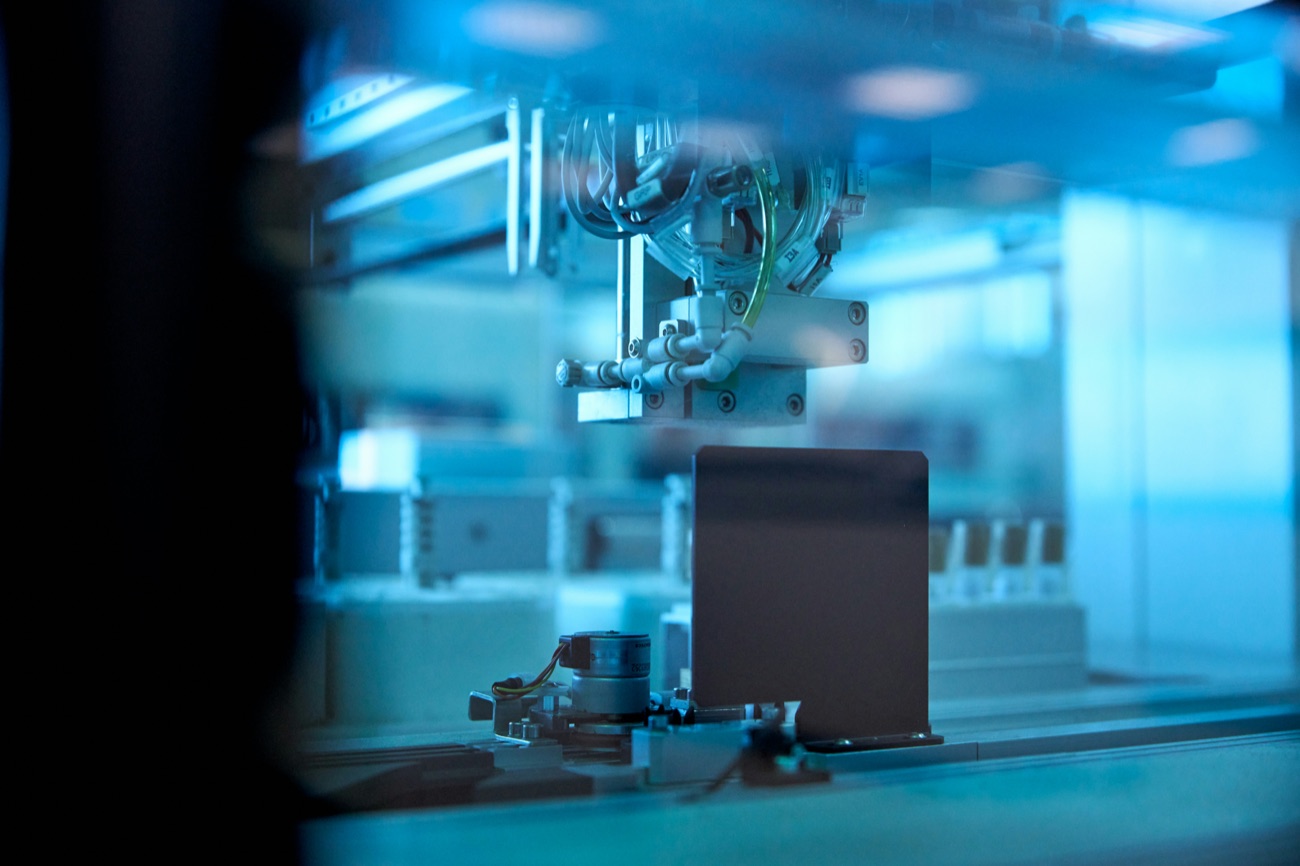
Every assembly line has one operation that sets the pace of production. On this project, it was the tray sealer. Sealing cycle time, including in-line inspection, was 15 seconds. That number determined the rate at which finished product left the line, and our maximum productivity.
We knew our starting crew could inspect, assemble, and package 150 kits a day, and that by adding one more team member, we could increase output by 50 kits a day. When you run a manual line, capacity grows through the addition of certified operators. Production continues as throughput steadily increases.
So when the customer asked us to ramp from about 1,500 kits a month to 3,000, we knew what levers to pull. We knew we could manage it by adding two operators, allowing time for training.
Balance the Line Up from the Constraint, Not the Other Way Around
The constraint determines the takt time for the entire line. On this project, that meant balancing our line backward from the 15-second sealer cycle. We split tasks between operators to bring each upstream operation as close to 15 seconds as practical. Anything longer would have starved the sealer and left capacity on the floor. Anything shorter would have piled work-in-process between stations.
This is worth restating, because it is often inverted on manual lines: do not look for the slowest step and try to speed it up first. Find the step you cannot change, usually a validated piece of equipment, and balance everything else to its pace.
Build a System That Catches What Operators See
Automated processes catch what they are programmed to catch. They do not identify things nobody thought to look for.
For this project, we worked with our customer to develop a visual criteria acceptance guide that helps our operators distinguish which observed conditions are significant quality concerns and which are not. This came about because, over the ten years we ran this line, our team routinely identified new irregularities that were not part of the manufacturing procedure or QC inspection.
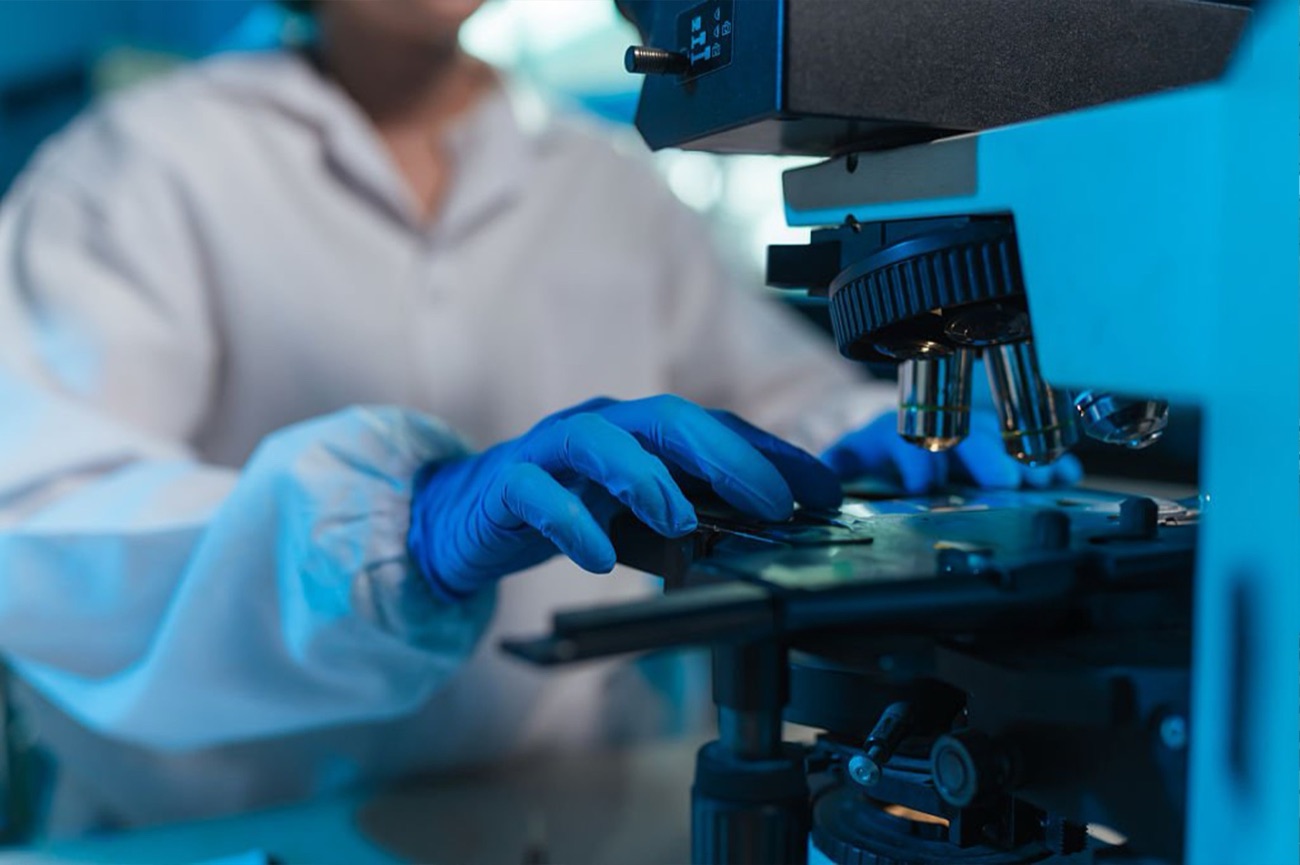
For example, when inspecting a stainless steel auger for debris, our operator noted burrs and nicks in the metal. The inspection criteria covered debris that could be blown off or wiped down. The nicks and burrs were neither, but could cause problems in the field. This inspection under the microscope became part of the manufacturing procedure and the visual criteria acceptance guide.
Likewise, on a build of the V2 product, our operators noticed the orientation of the tissue removal tool was slightly rotated, also not an inspection point. This subtle irregularity could prevent the surgeon from correctly performing the procedure.
Most recently, while inspecting subassemblies for a nonconformity found earlier in the line by an operator, our Operations Manager decided to examine the subassemblies in question under the microscope. This is not an inspection requirement. She noticed that the interior of the subassembly looked unusual, and it concerned her. We brought it to the attention of our customer, who shared our concern. They performed testing on the units in question, and they failed. Had we not identified this nonconformity at our facility, it could have resulted in a failure of the device in the field.
A machine would not have caught what our quality-trained operators were able to see. Operators recognize changes like this because they handle the parts every shift. That kind of human awareness is something only a manual line can offer.
Operators Are What You Scale. Equipment Is What You Validate.
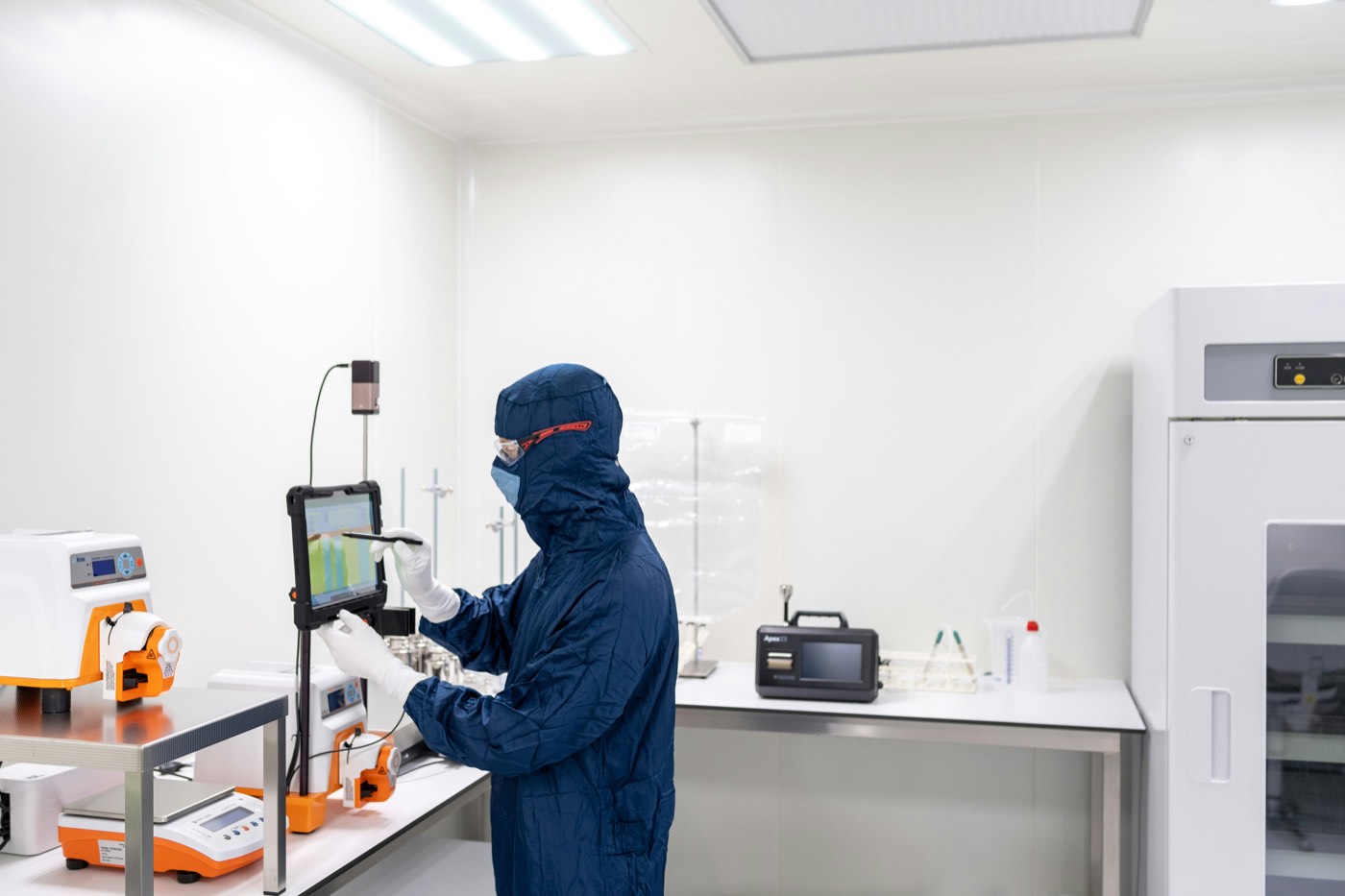
In a regulated manufacturing facility, the validated process cannot be deviated from. If a setting needs to be adjusted or a new fixture introduced, it must go through change control. The equipment, the materials, the work instructions, and the in-process checks have all been validated to function consistently and to produce acceptable results. This validation is what ensures you can deliver the quality designed into every build, in every device.
What you can scale is the workforce running that process. On this project, growth came almost entirely from adding certified operators. New operators are trained on the line by certified operators. Before they can work independently, they must demonstrate the process consistently over time. Only after that demonstration do they become certified and start contributing to build efficiency.
Every kit produced after the ramp behaves the same way as every kit produced before it, because the process did not change. Only the number of qualified hands running it did.
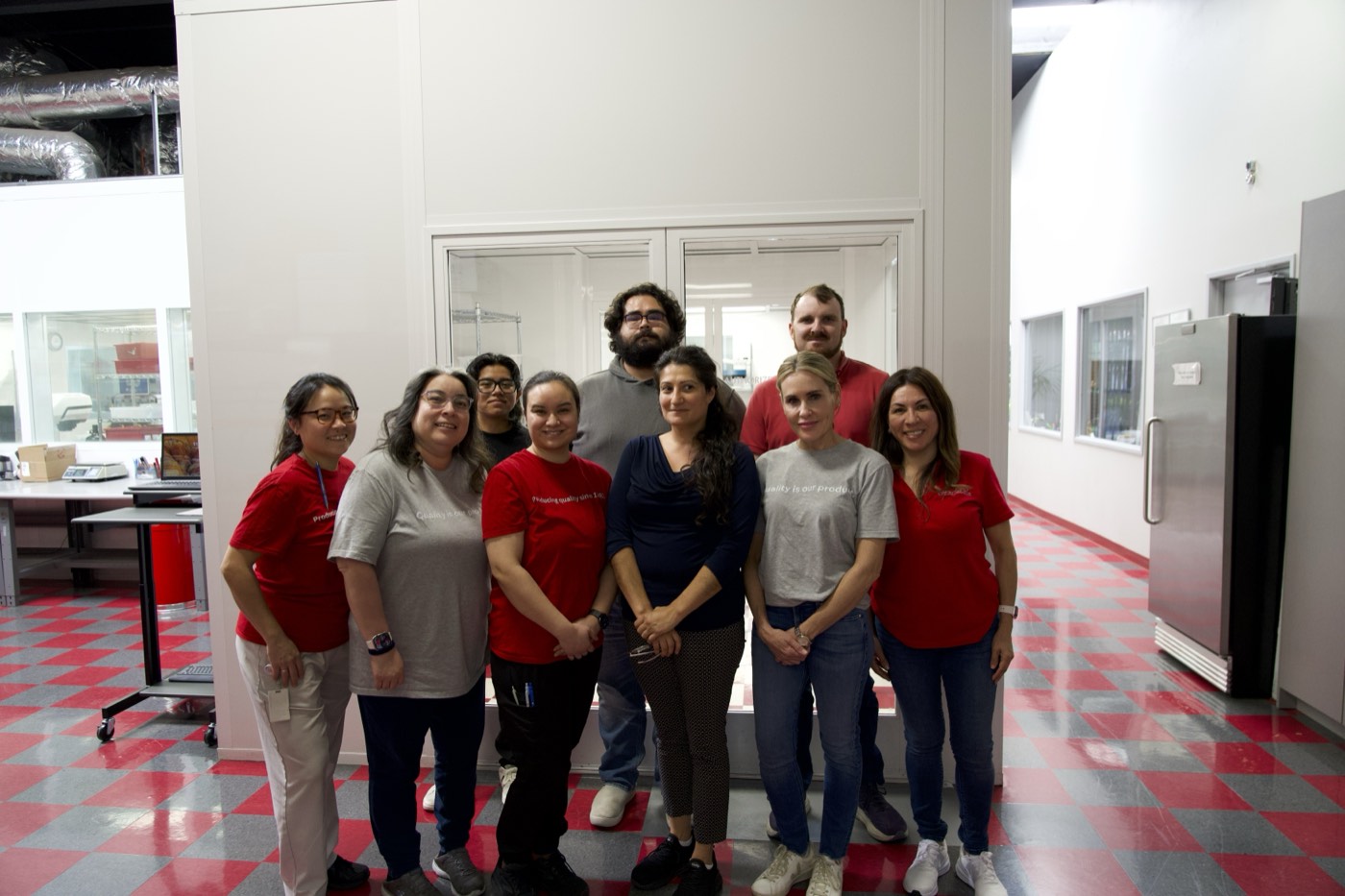
Nine years on, that project is approaching the end of its run with us. The customer was acquired by a Fortune 500 company, in part on the strength of the production record behind the device. None of that success came from automation: not the consistent yield, not the minimal complaint record, not the ability to scale roughly thirteenfold without losing control of the process. It came from finding the constraint, balancing the line, building a certified workforce, and respecting the value of a manual, validated process.
Quality is our product.
A&M BioMedical is an ISO 13485-certified contract medical device manufacturer in Laguna Hills, California, with more than 30 years of manufacturing experience. We build quality into every process, from receiving inspection through assembly, packaging, labeling, and fulfillment.
When you outsource your manufacturing to us, you gain a partner that treats your device with the same care you would. Explore our capabilities.